Veszprém Hosts the First International Knowledge Transfer Seminar within the Interreg Europe ECOC Echo Project
Veszprém (Hungary) hosted the first Knowledge Transfer Seminar under the international ECOC Echo project, titled Culture-based Urban and Regional Development. The event focused on presenting the best practices and legacy of the Veszprém–Balaton 2023 European Capital of Culture (VEB2023 ECoC) programme.
Nearly 40 international participants deepened their understanding of the region’s cultural transformation through high-level professional presentations, discussions, and on-site visits to key cultural venues and initiatives.
In his address, Tibor Navracsics, Minister of Public Administration and Regional Development responsible for the implementation of the programme, emphasized that the Veszprém–Balaton European Capital of Culture series was a shared success—an achievement of collaboration among municipalities, communities, and the entire region. The cooperation between local governments, civil organisations, communities, and cultural institutions serves as a model for other European cities as well.

We prepared an endless number of attractions for the delegation
Photo: VEB2023/Csaba Torockai
Gyula Porga, Mayor of Veszprém, underlined the city’s vision: “Our aim is to build a leading city on a European scale – one where it is good to live, to work, and to belong to a community. The European Capital of Culture (ECoC) programme not only renewed buildings but also reshaped mindsets: it taught us to collaborate, to rediscover the values and spaces of our city, and to believe that the future belongs not to large metropolises, but to medium-sized cities offering a high quality of life.”
During the two-day seminar, key contributors to the implementation of the VEB2023 ECoC programme summarised their experiences across four thematic areas:
- Rita Wahab and Dóra Kanizsai-Nagy from VEB2023 presented the programme’s and the organisation’s post-ECoC legacy;
- Péter Lamos, Managing Director of the company responsible for infrastructure developments under the VEB2023 ECoC programme, introduced the main infrastructural investments;
- Zoltán Mészáros, Festival Director and Senior Advisor to the VEB2023 ECoC programme, discussed the long-term economic impacts;
- Anna Isola, representing the Hungarian Development Promotion Office (MFOI), presented EU funding opportunities supporting the continuation of ECoC-related initiatives.
The seminars were moderated by Neil Peterson, International Relations and Legacy Expert for the Liverpool 2008 ECoC programme, who brought his valuable experience and insights to the discussion.
Participants also gained first-hand experience by visiting key heritage locations. The study visits included the Modern Art Center in Balatonfüred; in Veszprém, participants explored the ActiCity Dance and Movement Centre, the renewed Sports Campus of the University of Pannonia, the “Memory Machine” permanent exhibition at the Laczkó Dezső Museum, and key elements of the Street Management Programme, such as the Papírkutya (Paper Dog) Cultural Bistro. Further insights were shared at the CODE Digital Experience Centre and its CODE Creator Digital Makerspace, as well as at the Castle Prison Visitor Centre. A delightful surprise awaited the group during the walk—a spontaneous performance by the Búzavirág Children’s Choir.
The FOTON courtyard in the Castle district was not left out of the experience, complemented by the spaces of the House of Arts, crowned by the magnificent panorama of the Fire Tower.

Regional outlook at the Modern Art Gallery in Balatonfüred
Photo: VEB2023/Csaba Torockai
The Interreg Europe ECOC Echo project aims to bring together representatives of past, present, and future European Capitals of Culture to jointly explore the long-term impact of cultural initiatives on urban and regional development, and to share the knowledge and experiences gained with other European cities.
Participants of the ECOC Echo project: Leeuwarden 2018 (Netherlands), Novi Sad 2022 (Serbia), Veszprém 2023 (Hungary), Tartu 2024 (Estonia), Chemnitz 2025 (Germany), Oulu 2026 (Finland), Liepāja 2027 (Latvia), Évora 2027 (Portugal), and Bourges 2028 (France).
The project is co-funded by the European Union’s Interreg Europe programme, which supports interregional cooperation and helps public authorities across Europe develop better policies.
-
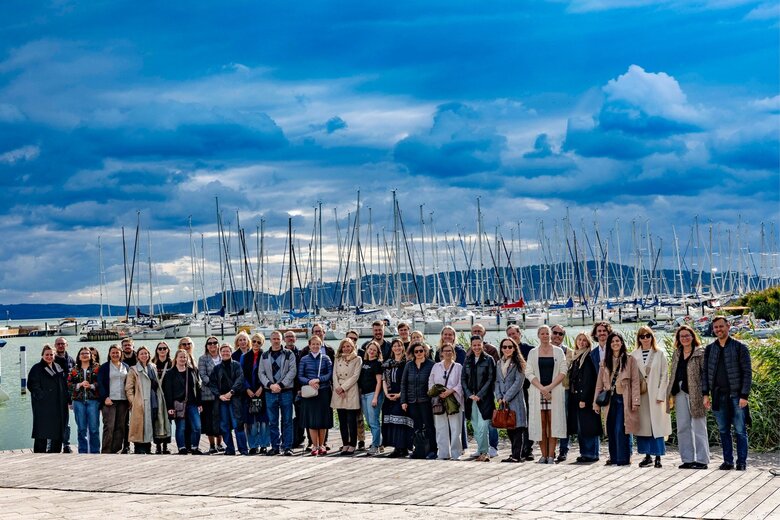
Family photo in front of Lake Balaton -
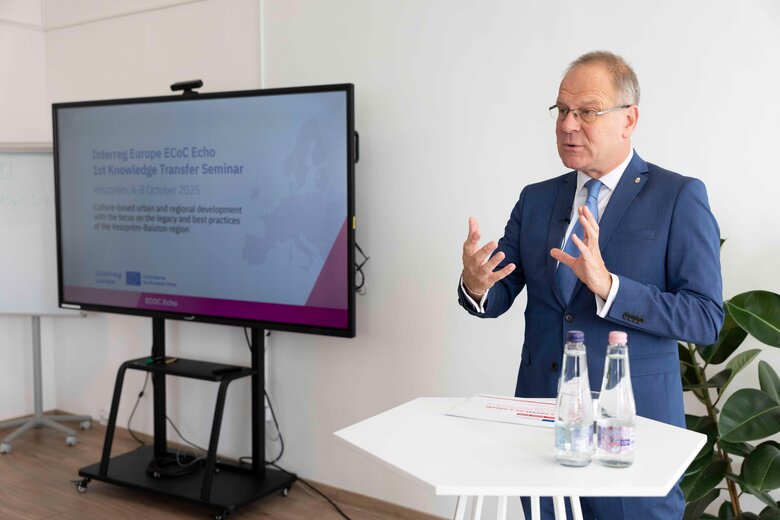
Tibor Navracsics minister presenting -
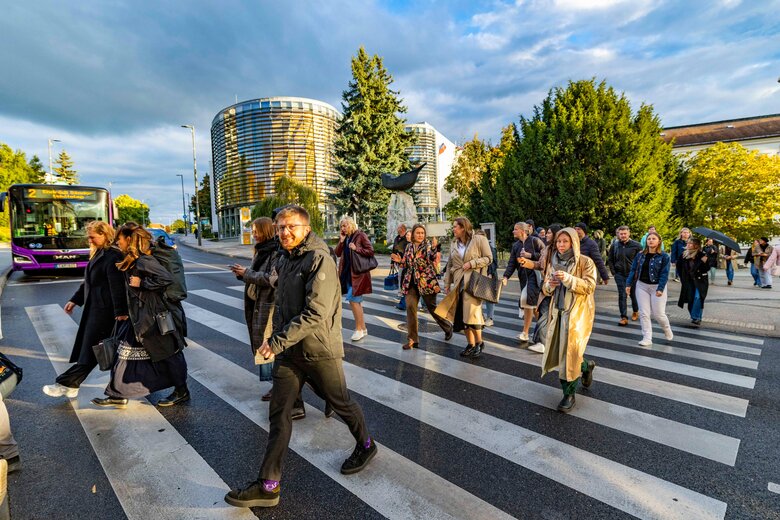
Out and about in Veszprém downtown -
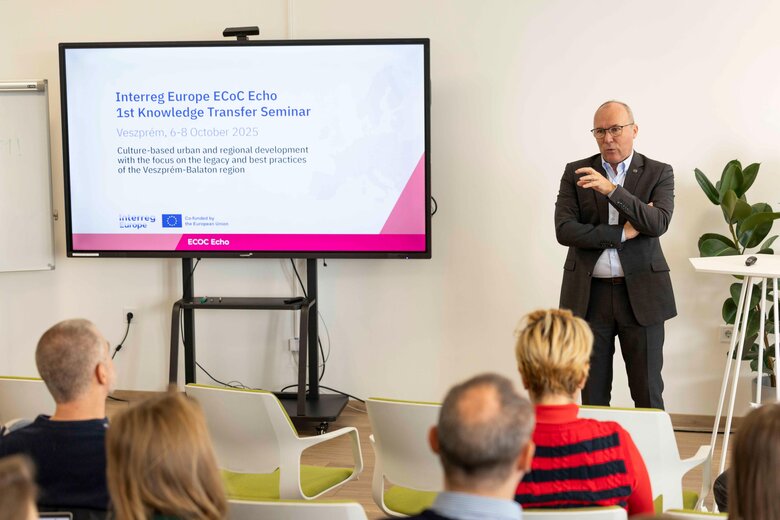
Gyula Porga mayor of Veszprém presenting -
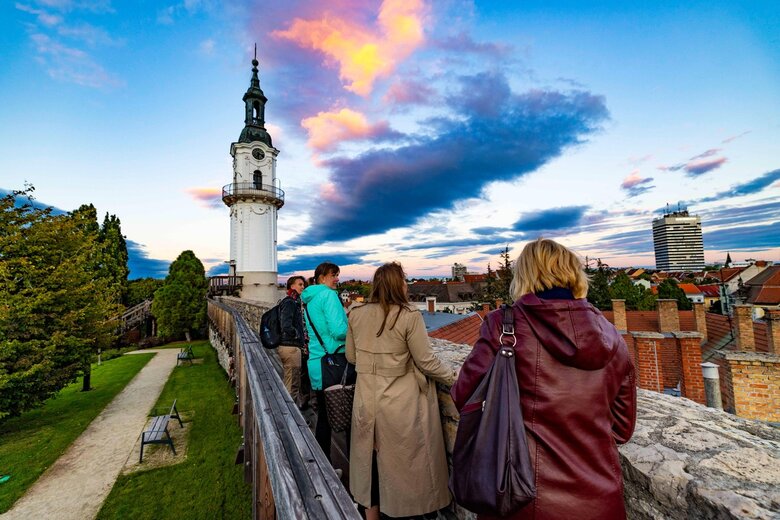
Panoramic views under the castle -
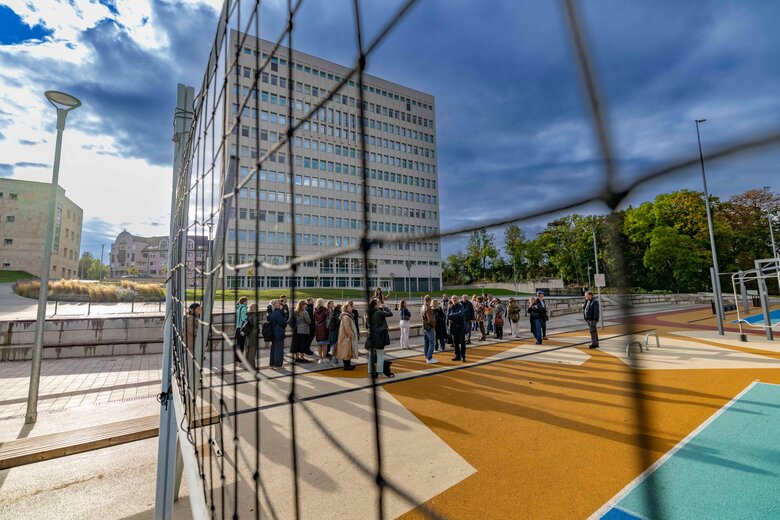
Renewed university sport campus -
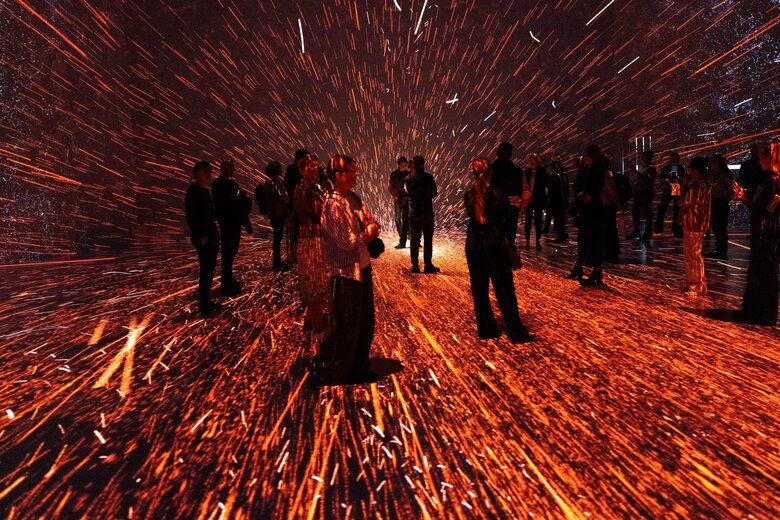
CODE (Center of Digital Experiences) immersive space -
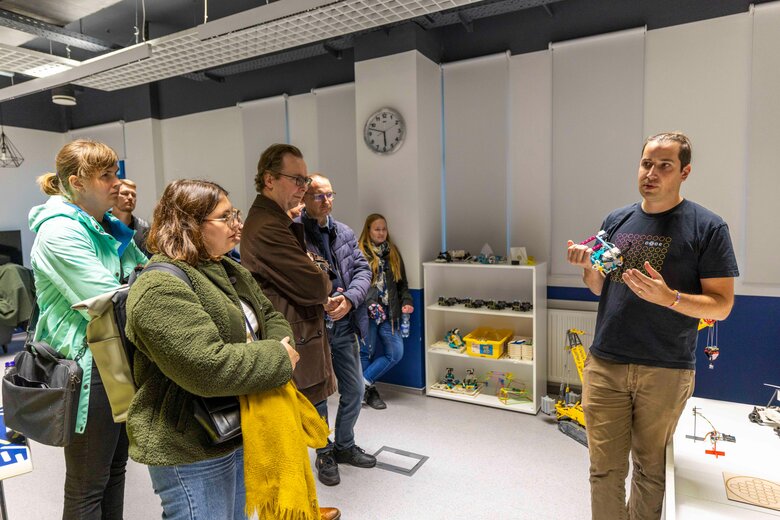
CODE Creator digital workshop -
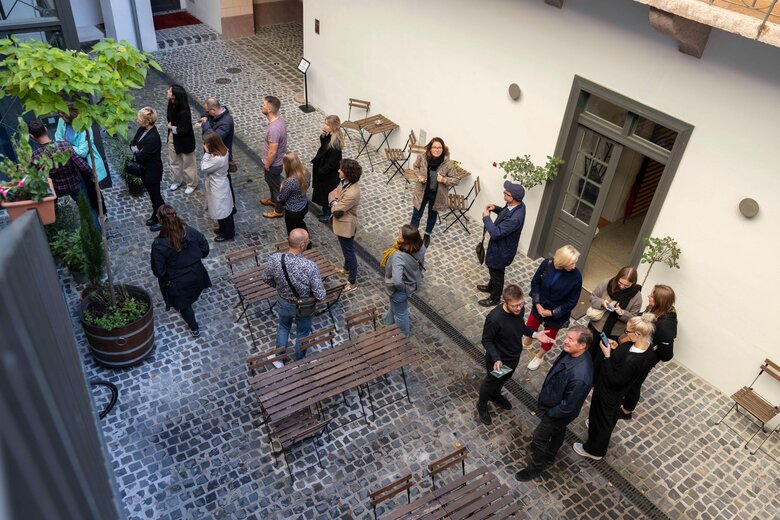
Ruttner-House -
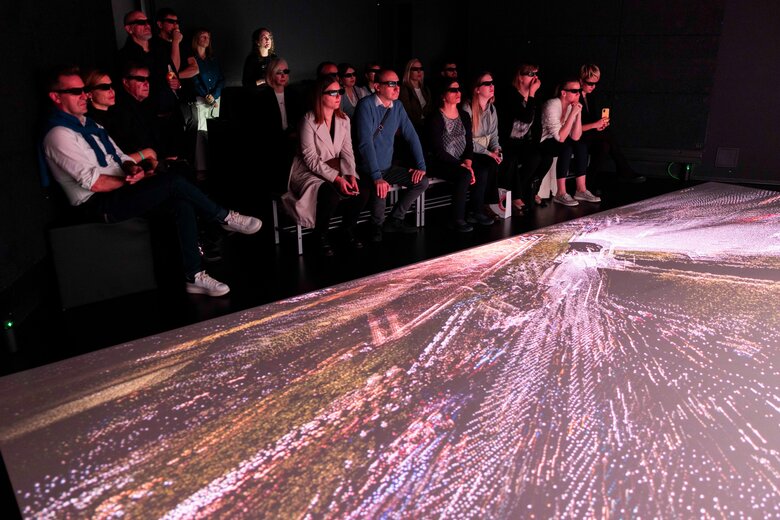
CODE studio -
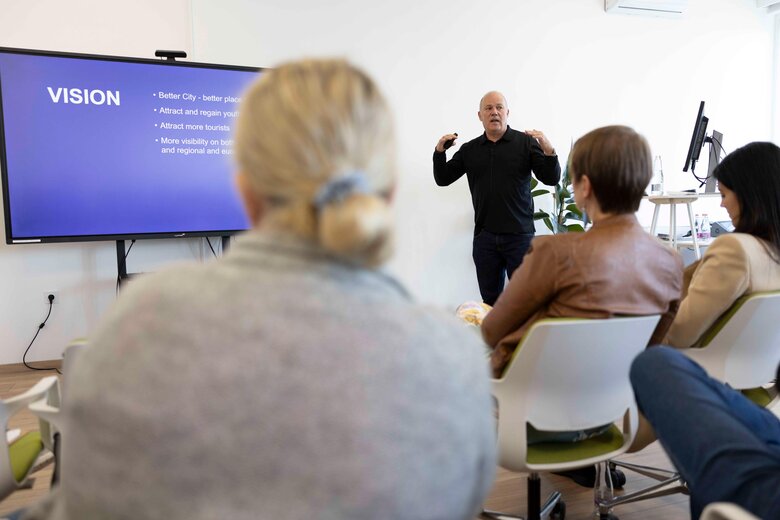
Zoltán Mészáros festival director presenting -
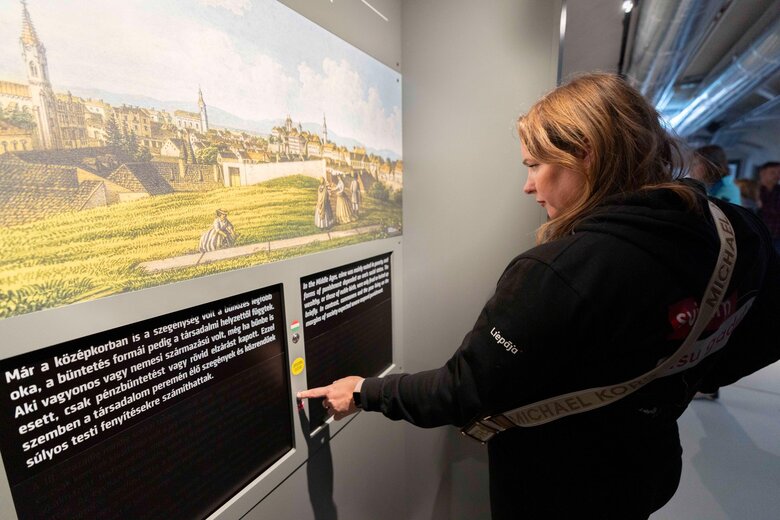
Dungeon Museum -
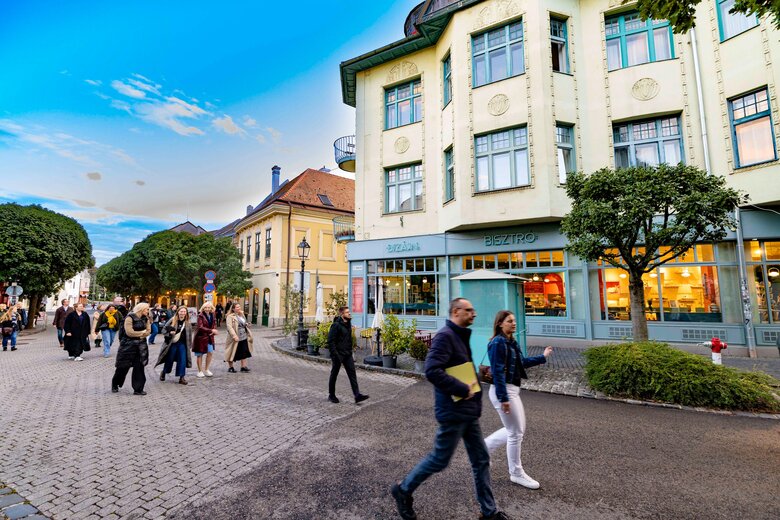
Street management program walk -
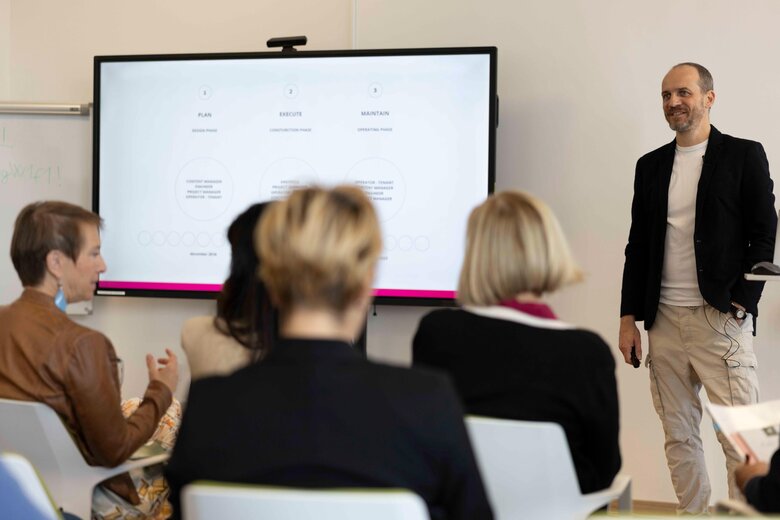
Peter Lamos presenting about infrastructural developments -
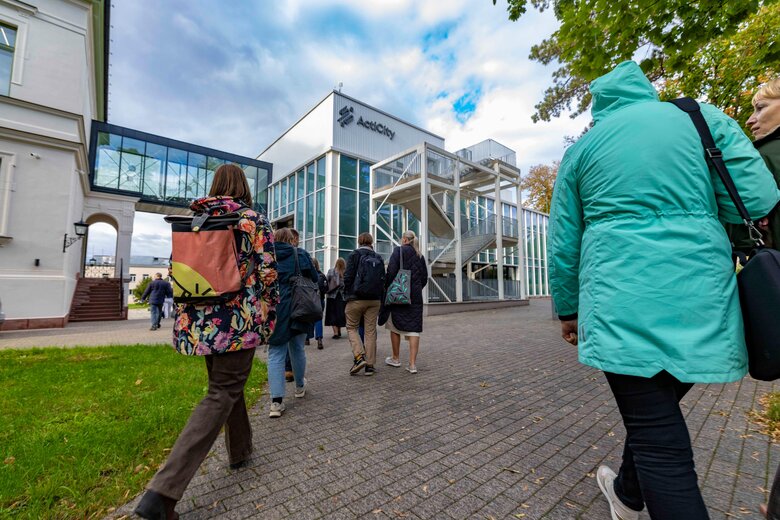
ActiCity Dance- and Movement Center, largest infra development -
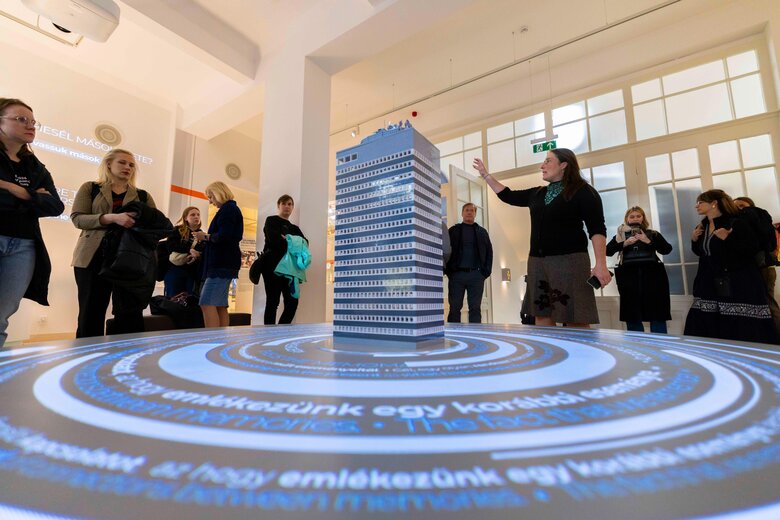
Legacy exhibition at Dezső Laczkó Museum -
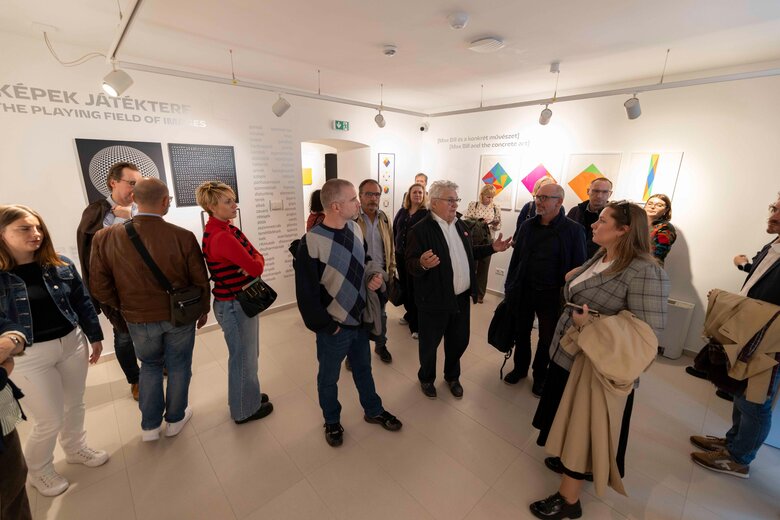
Regional outlook to Modern Art Center, in Balatonfüred -
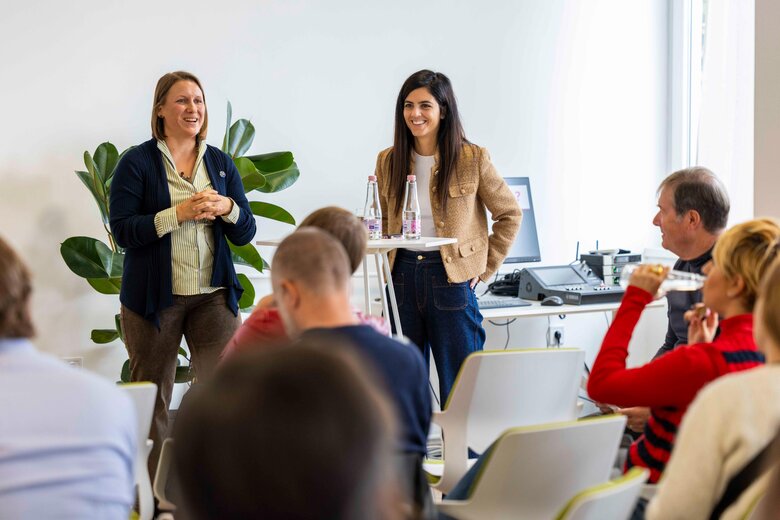
Rita Wahab and Dóra Kanizsai presenting about the organisational and programme legacy -
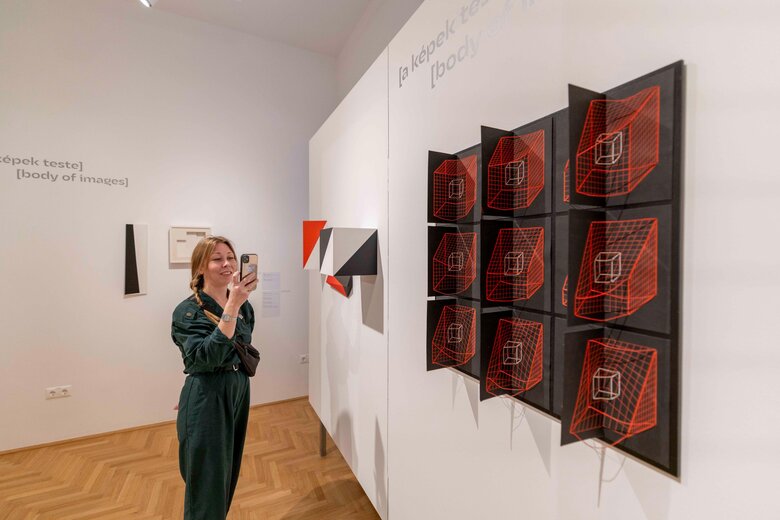
Artistic moments at Modern Art Center -
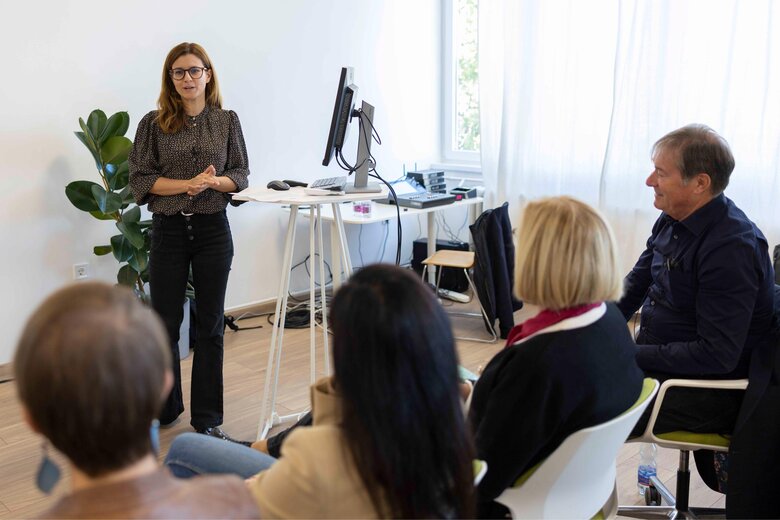
Anna Isola presenting about project funding -
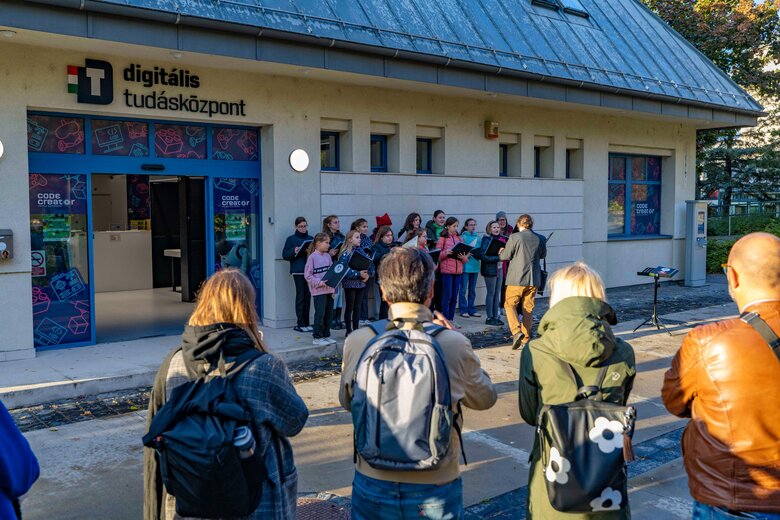
Surprise flashmob by the local children's choir "Búzavirág"


